E10 regulatory transition
E10 Readiness
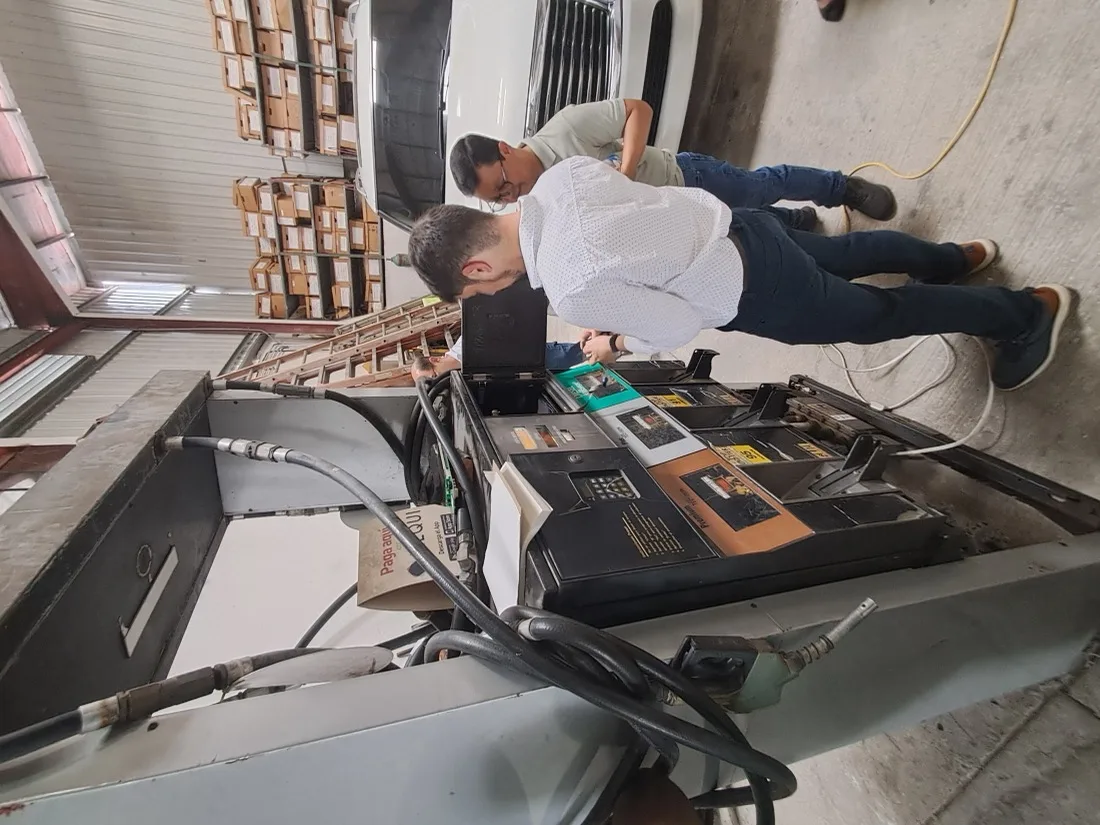
We condition dispensers, lines and tanks so your station can operate on E10 blend without degrading elastomeric parts or losing tightness.
What it is
E10 blend combines gasoline with 10% ethanol. Ethanol is more aggressive than pure gasoline with certain elastomers: hoses, gaskets and seals manufactured before 2018 can degrade in less than 18 months of continuous operation on E10. Readiness consists of identifying and replacing those components before the blend reaches the country.
We work on Wayne dispensers, and verify compatibility part by part against the manufacturer's current lists.
Applicable standards
The mandatory adoption of E10 in Panama is contemplated in Bill 443, a draft bill in process at the National Assembly.
Legislative status · verified as of June 2026
Bill 443 is suspended at the National Assembly: there is currently no E10 mandate in force in Panama. We do not list a Gazette number or enactment date because there is no confirmed enactment ingacetaoficial.gob.pa.
Full context: Suspension of Bill 443 (Spanish).
Process
- 01Inventory of the station's dispensers, lines and tanks.
- 02Compatibility audit of elastomeric components against the manufacturer's lists.
- 03Replacement plan for non-compatible parts and calibration adjustment for E10.
- 04Tightness testing after the intervention.
- 05Documentation of the transition plan for your operational records.
Related case
We work with chains that are already preparing their station fleet for the entry into force of E10.