Tank tightness
MESA 2D Testing
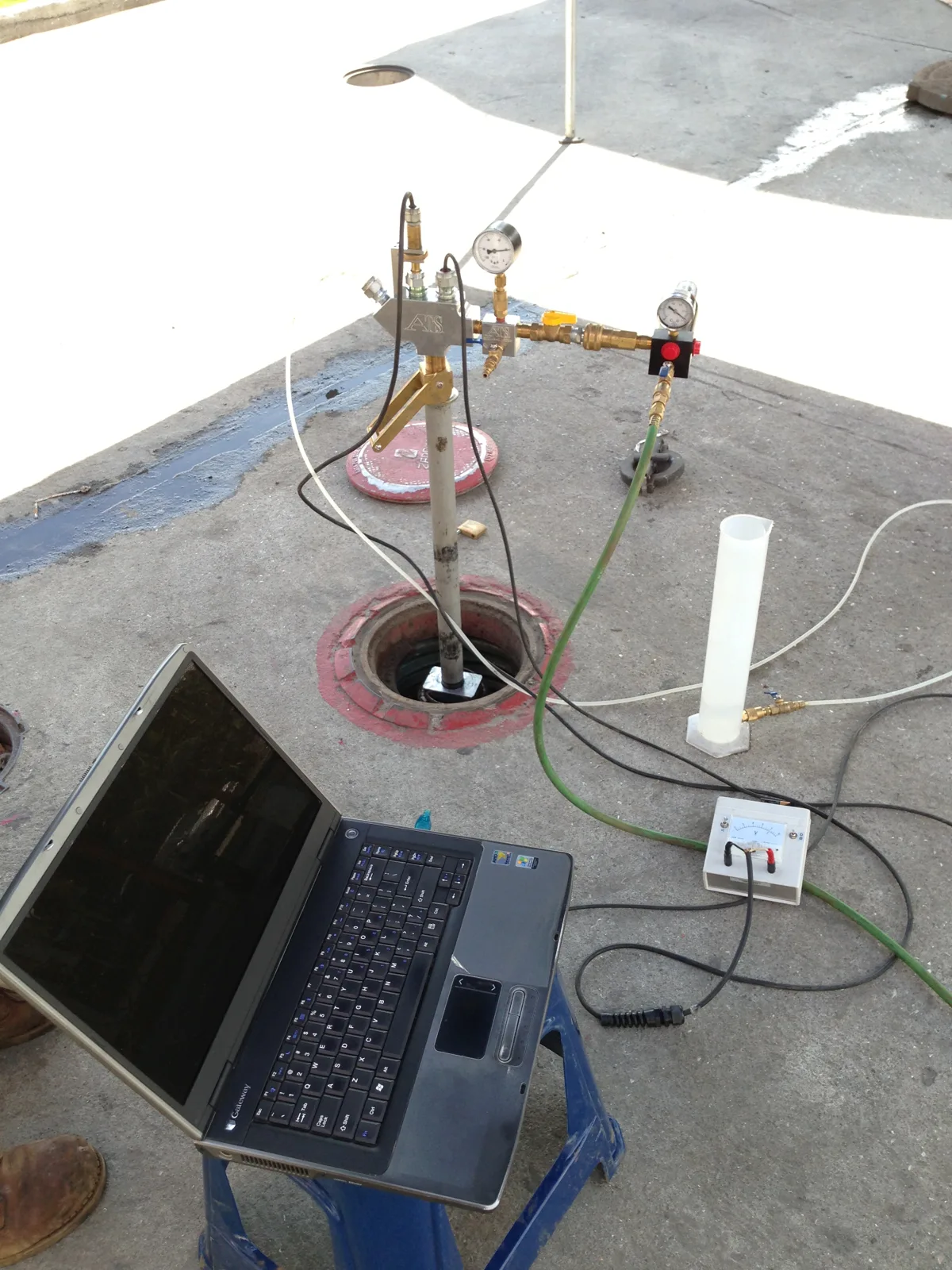
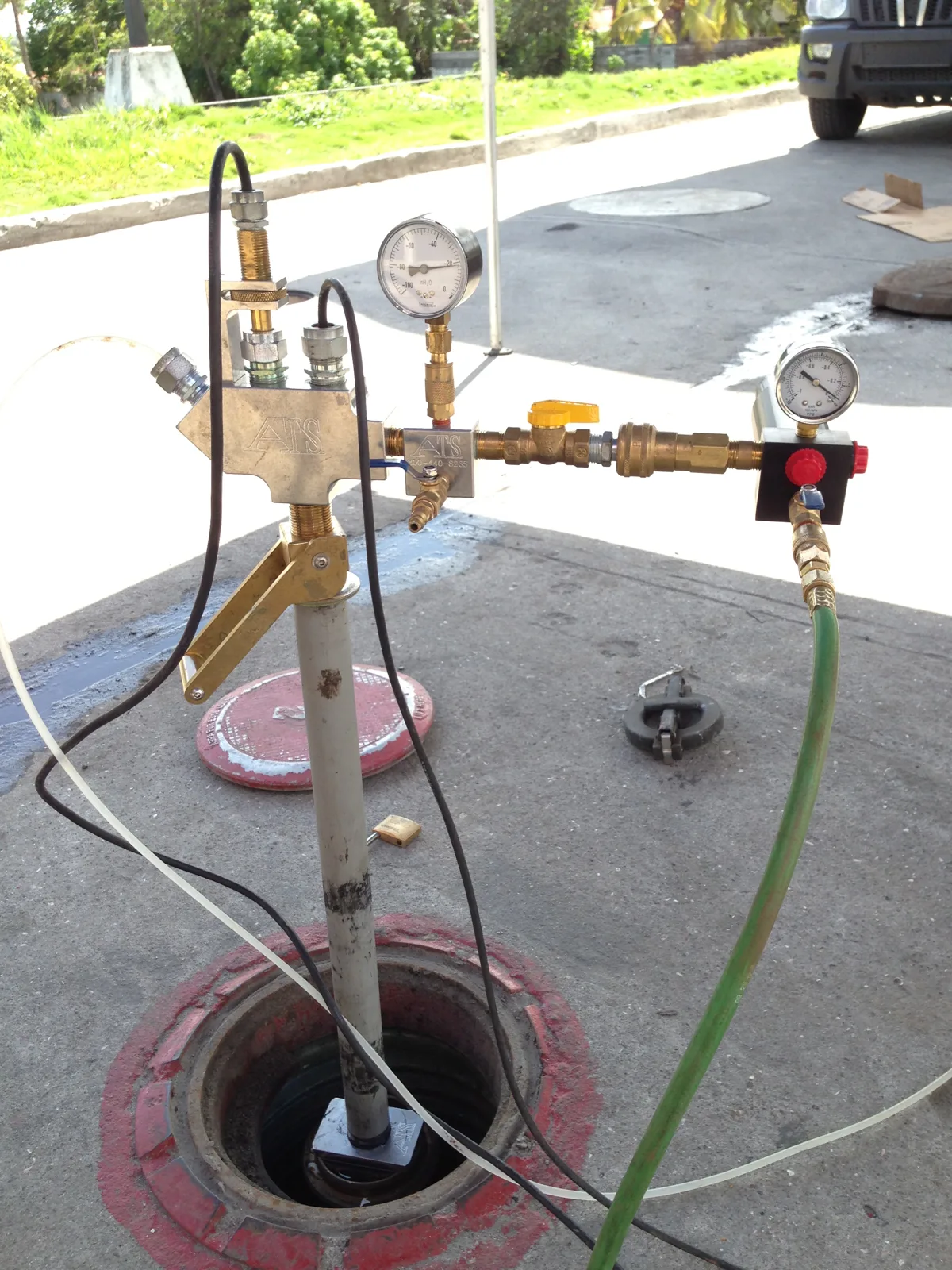
Tightness testing of underground fuel storage tanks with MESA 2D technology. Detection of micro-leaks down to 0.10 gph.
What it is
MESA 2D is a tightness-testing technology for underground fuel storage tanks. It detects micro-leaks down to 0.10 gph (gallons per hour) — the international precision threshold (EPA 40 CFR 280 / PEI) for considering a tank tight.
The test measures pressure and level variation inside the tank under controlled conditions and separates thermal evaporation of the product from a real leak. The result is a measurable number, not a visual inspection.
Applicable standards
The 0.10 gph detection threshold is the international precision threshold (EPA 40 CFR 280 / PEI) that defines tightness in underground tanks. Installation, operation and testing practices are governed by the standards of thePetroleum Equipment Institute (PEI) and by theNFPA 30 (flammable and combustible liquids) andNFPA 30A (service stations) codes.
Master Services is a PEI member, which gives us direct access to updates of the recommended practices.
Process
- 01Tank preparation: thermal and level stabilization.
- 02Configuration of the MESA 2D equipment to the stored product.
- 03Running the test under controlled conditions, with evaporation compensation.
- 04Delivery of the report with the measured value and the comparison against the 0.10 gph threshold.
- 05If the test does not pass, diagnosis of the likely source and a remediation recommendation.
Frequently asked questions
- What does the MESA 2D tightness test detect?
- It detects micro-leaks in underground tanks down to 0.10 gph (gallons per hour), the international precision threshold (EPA 40 CFR 280 / PEI). It measures pressure and level variation under controlled conditions and separates thermal evaporation of the product from a real leak, delivering a measurable value rather than a visual inspection.
- How often should the test be done?
- The hermeticity certificate issued by the Fire Department (DINASEPI) is valid for 3 years for service stations, so the test is typically run on that cycle — or sooner if there are signs of a leak or after work on tanks or lines.
- Can the station keep dispensing during the test?
- The test is run tank by tank under controlled conditions; the rest of the station can keep operating. We plan the work to minimize the impact on fuel dispensing.
- What happens if the tank does not pass?
- We deliver a diagnosis of the likely source of the leak and a remediation recommendation. When a tank fails the tightness test, the National Energy Secretariat (SNE) is notified within 24 hours.
- Which standard defines the 0.10 gph threshold?
- The 0.10 gph threshold comes from EPA 40 CFR 280 / PEI, the international precision standard for defining tightness in underground tanks. Installation, operation and testing practices are governed by the Petroleum Equipment Institute (PEI) and the NFPA 30 and NFPA 30A codes.
- How much does a MESA 2D test cost?
- The cost depends on the number of tanks to be tested and the stored product. Request a quote and we assess your station to give you an exact price.
Related case
We have run MESA 2D tests at Delta, Texaco and Terpel stations across Panama. See the Delta Galápagos case.