Fire Department · DINASEPI
Support for hydrocarbon certification
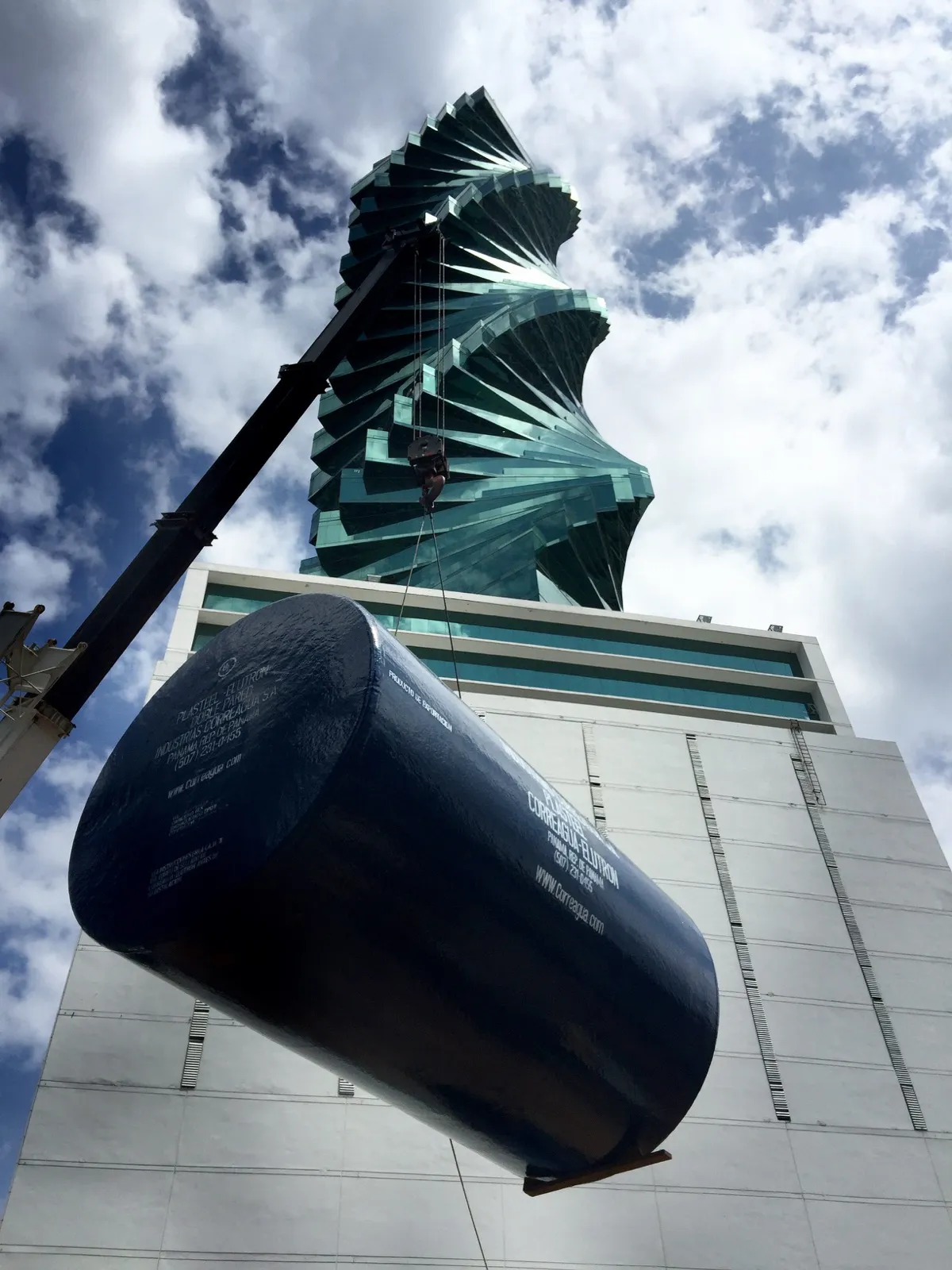
We perform technical tests within a defined scope and prepare supporting documentation for the procedure before the Fire Department of Panama (BCBRP/DINASEPI). The authority inspects and decides certification.
What it is
Panamá Digital identifies BCBRP, through DINASEPI, as the entity that inspects and certifies operation of fuel-storage facilities. A technical test report contributes evidence within its scope, but it does not replace the authority's inspection or decision.
Before scheduling, we identify the tanks, lines and other components to be included, together with product, available documentation and the purpose of the procedure. The final package reflects only what was reviewed and tested.
Applicable standards
The procedure and its requirements should be checked in BCBRP sources and directly with DINASEPI. An official BCBRP document revised in 2014 calls the procedure an “annual inspection” and states one-year validity for a station's Hydrocarbon Certification. Its age makes confirmation of the current scope necessary before documents are submitted.
The National Energy Secretariat (SNE) has different responsibilities within the energy sector. If a test identifies a possible leak, the operator must follow its response plan and coordinate the measures and notifications that apply to the finding with the competent authorities.
Official source consulted: BCBRP requirements published for annual inspection of fuel stations.
Process
- 01Confirmation of the procedure, facility and available documentation.
- 02Written definition of tanks, lines and components within scope.
- 03Performance of the contracted technical tests and reviews.
- 04Delivery of the report and supporting package so the operator can continue the DINASEPI procedure.
Frequently asked questions
- Who inspects the station and decides certification?
- Panamá Digital identifies the Fire Department (BCBRP), through DINASEPI, as the entity that inspects and certifies operation of fuel-storage facilities. The technical provider supplies evidence; the authority decides the procedure.
- Does the National Energy Secretariat (SNE) certify hermeticity?
- No. Safety inspection and certification fall under the Fire Department (DINASEPI). The SNE has different responsibilities within the energy sector. If a test identifies a possible leak, the operator must follow its response plan and coordinate the applicable measures and notifications with the competent authorities.
- How long is the certificate valid?
- The BCBRP states that the Hydrocarbon Certification for a service station is valid for one year. A technical test report does not replace that certification; confirm the current scope and filing requirements for your station directly with DINASEPI.
- Is the technical report the certificate?
- No. The report documents the scope, conditions and result of the tests performed. Inspection and the certification decision belong to BCBRP/DINASEPI.
- What does Master Services deliver for the filing?
- We define scope, perform the contracted technical tests and deliver the report and available supporting documentation so the operator can manage the procedure before DINASEPI.
- How much does hermeticity certification cost?
- Cost depends on the included systems, available information and site conditions. We confirm scope first and then issue a quote.
Before requesting service
Have tank and line identification, previous reports, calibration charts and the purpose of the procedure available. If information is missing, the initial assessment should record it as pending instead of assuming it.