Scope- and findings-based preventive-maintenance checklist
A structure for walkthroughs, technical visits and triggers without turning external frequencies into local obligations.

Head of Maintenance Technicians
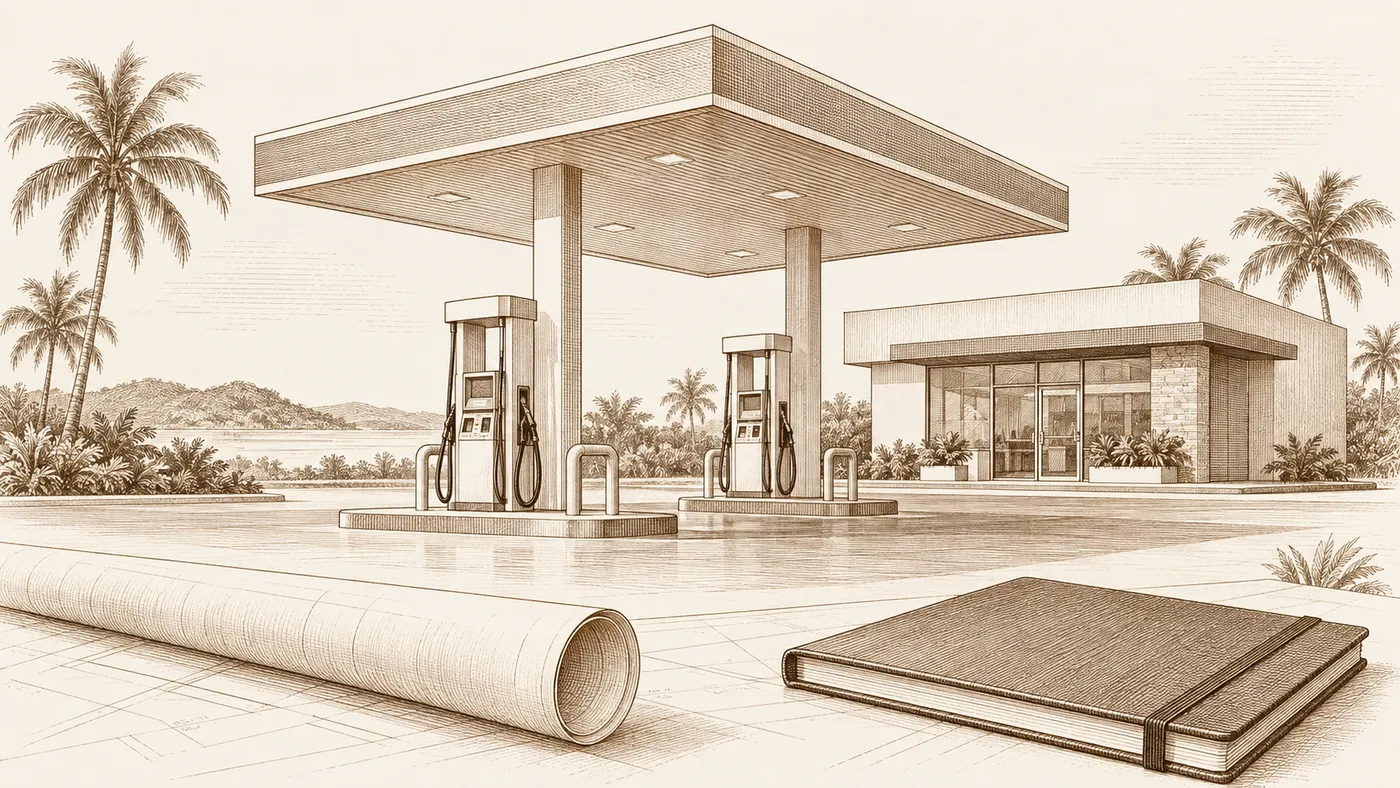
About this image
AI-assisted editorial illustration. Not a product photograph, installation drawing or test procedure; consult the applicable technical documentation.
In this article
A useful checklist confirms what was observed, who performed it and the next step. It should not combine operator tasks, specialized testing and authority decisions in one undifferentiated list.
Control data
- Station, date, shift and responsible person.
- Unambiguous equipment or component identification.
- Normal condition, finding, inaccessible or not applicable.
- Photograph or reading when relevant.
- Action, priority, owner and closeout date.
Operational walkthrough
Observe active alarms, visible damage, odors or product, water, lids, hoses, nozzles, breakaways, spill buckets, sumps, drains, signage and housekeeping. Personnel should not open or intervene in equipment without authorization.
Technical visit
The technician’s list follows the installed equipment and work order. It may include functional tests, connections, filters, metering, monitoring or safety, always according to the applicable manual and procedure.
Triggers
An alarm, suspected leak, impact, altered seal, metrological difference, water, flooding or recent repair can advance a review. The program should respond to condition instead of blindly waiting for the next date.
Frequencies
Assign every interval to its source: current requirement, manufacturer, certificate, history or approved technical criterion. If evidence is insufficient, mark the frequency as pending confirmation. The maintenance path helps separate preparation, observation, escalation and closeout.
Operational checklist by route
Divide the station into zones: receiving and filling; tanks and vents; islands and dispensers; drains and separator; monitoring and panels; emergency equipment. For each zone, record the asset, expected condition, observation, evidence and owner. “Checked” is not a result. “T-02 spill bucket with visible water, photograph 14, identification pending” supports action.
The EPA operation and maintenance checklists are useful for designing controls, but their jurisdictional requirements should not be copied as Panamanian law. Add manufacturer, design, BCBRP/DINASEPI and other sources that apply to the site.
Questions by zone
| Zone | Control questions |
|---|---|
| Filling | Do caps, labels, containment and procedure match the tank? |
| Dispensers | Are damage, drips, abnormal flow, seals or interventions open? |
| ATG | Are time, assets, sensors and alarms identified and addressed? |
| Drainage | Is intended flow clear and does the separator retain capacity? |
| Records | Is each finding and test linked to its asset? |
Support the route with our ATG alarm guide and sumps and spill buckets guide.
Turning findings into closed work
- Assign priority by risk, impact and available control.
- Define the action and required competence.
- Set a target date and operating status.
- Attach repair, part, test and photograph.
- Have a defined person verify closeout.
- Update the program when a finding repeats.
Deadlines should not come from generic colors. An emergency condition follows the site plan; a noncritical observation is prioritized with evidence.
Version control
Store the checklist with date and version. When a tank, product, dispenser or requirement changes, update both the route and inventory. Archive old forms instead of continuing to use them. The Master University maintenance library can support responsible-team training.
Frequently asked questions
Does a completed checklist prove everything works?
No. It proves that defined controls were performed and recorded; specialized tests retain their own criteria.
Who can complete the checklist?
Trained staff can make authorized observations. Interventions and tests belong to people competent for each task.
What should happen with a nonapplicable field?
Mark it not applicable and explain why. Leaving it blank removes traceability.
Application record: preventive inspection route
Before applying this guide to a facility, identify each zone, asset, expected condition and responsible person. Write the decision as a verifiable question: which observation requires action and how it will be closed. A recommendation without an asset, question and date is difficult to audit and may continue circulating after the facility has changed.
- Input: specific result, photograph, work order, test and verification.
- Source: retain the title, issuer, edition or date, link and section used.
- Owner: assign who confirms data, who authorizes action and who verifies closeout.
- Status: use confirmed, pending, not applicable or out of scope; do not fill evidence gaps by assumption.
Retain the version that supported the decision and record differences between the plan and field conditions. If the facility changes, a finding repeats or a requirement is updated, reopen the record instead of reusing the earlier conclusion. This keeps the article a working framework rather than a substitute for the manual, design, risk assessment or responsible authority.
Continue learning in Master University. To review a real case, share the inventory, legible photographs, objective and available documents through our contact page; a responsible technical recommendation begins with scope.