Preventive tank maintenance: a condition- and equipment-based program
How to build a baseline, separate inspection from testing and define tasks and frequencies from applicable documentation.

Head of Maintenance Technicians
In this article
- 01Baseline
- 02Different control layers
- 03How to define the calendar
- 04Triggers outside the calendar
- 05Traceable closeout
- 06Technical tank inventory
- 07Inspection routes by failure mechanism
- 08Designing the schedule
- 09Indicators that show whether the program works
- 10Frequently asked questions
- 11Application record: tank preventive plan
A tank program should not be copied from a foreign table. It is built from installed inventory, condition, history, manufacturer instructions and requirements that apply to the facility.
Baseline
Identify each tank, product, capacity, material, containment, lines, pump, vents, fill, monitoring and available documentation. Record discrepancies between drawings, nameplates, calibration charts and field conditions.
Different control layers
Operational observation, technical inspection, monitoring and a tightness test answer different questions. A damaged lid or visible water requires attention, but a visual review does not replace the applicable test. Likewise, a tank test does not certify every station accessory.
How to define the calendar
Assign tasks based on criticality, manufacturer instructions, exposure, use, alarms, repairs, earlier results and current requirements. Document the basis for every interval. Frequencies from another jurisdiction or system type should not be presented as universal Panama obligations.
Triggers outside the calendar
Water, an alarm, inventory difference, product change, impact, flooding, line intervention or an unusual condition can justify immediate review. The plan should state who receives the notice, what is isolated and when the issue is escalated to qualified personnel.
Traceable closeout
Every activity should record equipment, scope, initial condition, work, evidence, findings and next action. To organize these records, see Tanks and pumps in Master University.
Technical tank inventory
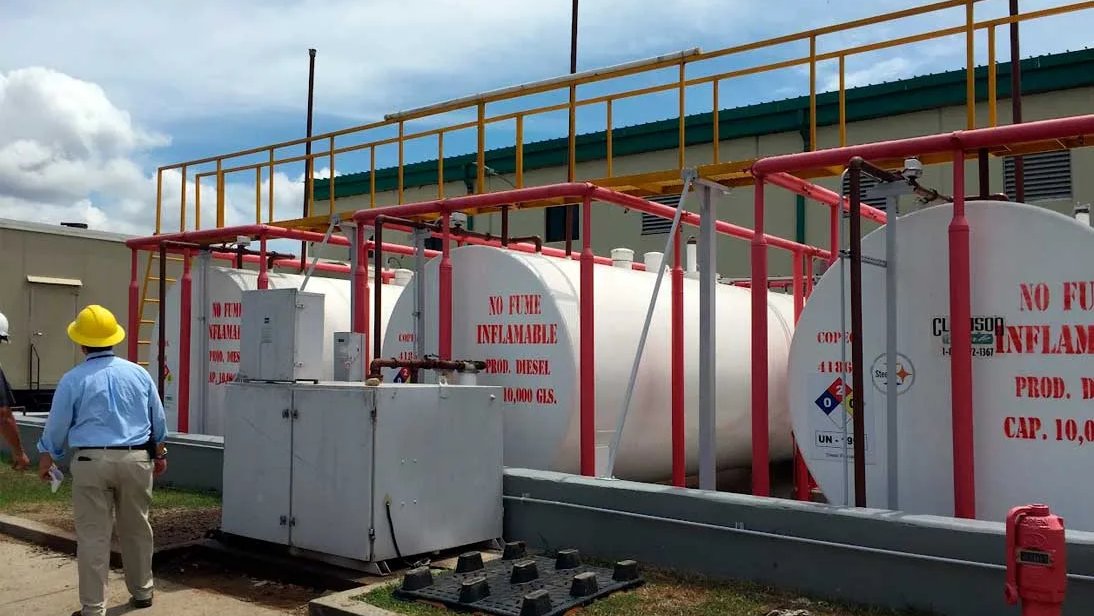
Record the nameplate, capacity, material, configuration, product, containment, venting, fill, extraction, gauging, detection and corrosion protection where applicable. Link lines and dispensers and mark inaccessible points. One general photograph does not replace accessory identification or an updated drawing.
For underground tanks, our PEI RP100-based installation guide identifies construction evidence worth retaining. For operations, the EPA practical UST checklists are a useful foreign reference without becoming a mandatory Panama frequency.
Inspection routes by failure mechanism
| Mechanism | Evidence | Trigger |
|---|---|---|
| Water ingress | Levels, caps, drainage, deliveries and rain | Reading change or event |
| Loss of containment | Alarms, inventory, sumps and observations | Unexplained indication |
| Corrosion | Inspection, protection system and readings | Out-of-criterion result or damage |
| Overfill | Device, procedure and delivery record | Failure, intervention or event |
| Settlement or physical damage | Slab, lids, piping and level references | Visible change or civil work |
Designing the schedule
Combine manufacturer minimums and applicable requirements with criticality, environment, traffic, rainfall, history and condition. Add event-based inspections after an alarm, flood, impact, product change or repair. The schedule should distinguish observing, testing, maintaining and replacing; those tasks require different competence and produce different evidence.
Define an acceptance criterion and closeout owner in every work order. If a technician finds an anomaly outside scope, open and assign an action instead of marking the entire visit complete.
Indicators that show whether the program works
- Repeated findings by asset and time to close.
- Acknowledged alarms compared with investigated alarms.
- Water entries, inventory differences and unplanned repairs.
- Percentage of assets with identified nameplate, manual and configuration.
- Functional tests with results and evidence, not a date alone.
Integrate these measures with the station-maintenance service and keep enough history to adjust the strategy.
Frequently asked questions
How often should a tank be inspected?
It depends on the manufacturer, applicable requirement, condition, criticality and history. Document the source behind every frequency.
Does visual inspection replace testing?
No. Observation, functional testing and integrity assessment answer different questions.
Which event requires a plan review?
Product changes, alarms, flooding, impact, repair, abnormal data or an updated requirement.
Application record: tank preventive plan
Before applying this guide to a facility, identify tank, fittings, containment, detection, piping and associated barriers. Write the decision as a verifiable question: which failure mechanism each task controls and how it is demonstrated. A recommendation without an asset, question and date is difficult to audit and may continue circulating after the facility has changed.
- Input: manual, inspection, test, trend and finding closeout.
- Source: retain the title, issuer, edition or date, link and section used.
- Owner: assign who confirms data, who authorizes action and who verifies closeout.
- Status: use confirmed, pending, not applicable or out of scope; do not fill evidence gaps by assumption.
Retain the version that supported the decision and record differences between the plan and field conditions. If an alarm, water ingress, repair or product change occurs, reopen the record instead of reusing the earlier conclusion. This keeps the article a working framework rather than a substitute for the manual, design, risk assessment or responsible authority.
Continue learning in Master University. To review a real case, share the inventory, legible photographs, objective and available documents through our contact page; a responsible technical recommendation begins with scope.