MESA 2-D, SIR and tracer gas: how to compare methods without conflating them
A decision framework based on detection principle, scope, conditions and deliverable; no method name alone guarantees regulatory acceptance.
Head of Operations

About this image
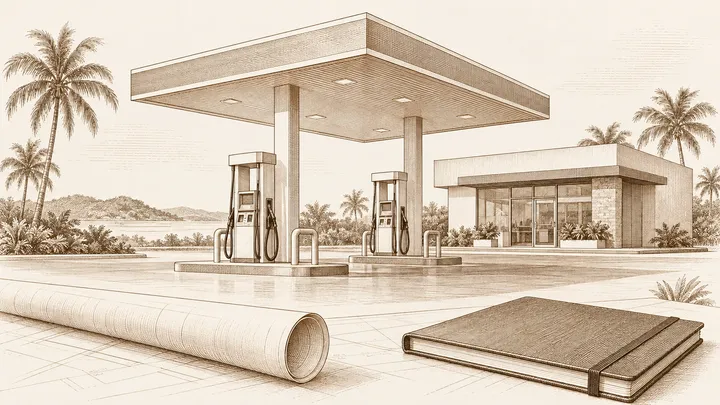
AI-assisted editorial illustration. Not a product photograph, installation drawing or test procedure; consult the applicable technical documentation.
In this article
- 01Detection principle
- 02Scope and conditions
- 03How to read performance figures
- 04Authority and deliverable
- 05Practical decision
- 06A decision matrix based on the question
- 07Data that change method selection
- 08Avoiding conclusions that exceed the evidence
- 09Frequently asked questions
- 10Application record: investigation-method selection
MESA 2-D, statistical inventory reconciliation (SIR) and tracer gas answer different questions. A responsible comparison does not start with “which is best,” but with the objective, system and required evidence. The manufacturer also publishes MESA 2-D frequently asked questions that complement the independent listing.
Detection principle
MESA 2-D is a nonvolumetric method: it applies vacuum to the tank ullage, analyzes acoustic signals associated with air ingress and uses a separate water-ingress sensor. The independent technical listing publishes its evaluated conditions and performance. SIR analyzes inventory series; a tracer-gas method searches for the gas under a specific protocol and equipment. They should not be assumed equivalent.
Scope and conditions
Ask which components each proposal covers, which data or access it needs, how much history it uses and which conditions can limit the result. Operations during work, duration and ability to locate a cause depend on the method and site; they are not universal guarantees.
How to read performance figures
The consulted MESA 2-D evaluation records performance at a leak rate of 0.1 gallon per hour, with 100% probability of detection and 1.6% probability of false alarm, under its conditions. That figure does not make the method volumetric, describe a reading from every test or establish the performance of SIR or tracer gas.
Authority and deliverable
In Panama, the provider should confirm the document it will deliver and the operator should verify with DINASEPI which evidence applies to the procedure. The official Panamá Digital page identifies BCBRP/DINASEPI as the inspection authority for these facilities; it does not publish a general rule declaring one method mandatory in every case.
Practical decision
First define the question: a scoped tightness evaluation, inventory monitoring or diagnostic location. Then compare listing, conditions, limits and report format. If methods are combined, document which question each one answers.
A decision matrix based on the question
| Question | Evidence to request | Limit that must be stated |
|---|---|---|
| Does the system meet this method’s criterion under these conditions? | Listing, field data and test report | Included assets and conditions |
| Do inventory records show a statistical pattern? | Complete series plus sales and delivery controls | Data quality and continuity |
| Where might a release path be located? | Protocol, tracer, measurement points and map | Area searched and declared sensitivity |
A facility may need more than one question, but results must not be merged. If SIR identifies a trend and a later test assesses tightness, the file should preserve both steps and explain what triggered the next action.
Data that change method selection
Capacity, product, level, geometry, line configuration, time since the last transfer, alarm history and available data can change applicability. The purpose also matters: operational investigation, documentary support or diagnostic location. The provider should state what information was received and what assumptions were made.
Before requesting proposals, organize the history with the documentation checklist and review related alarms in the ATG guide.
Avoiding conclusions that exceed the evidence
A result within criterion does not prove that every station component is defect-free. An adverse result does not necessarily locate the exact point. Statistical analysis depends on complete data. A tracer-gas survey depends on protocol, migration conditions, soil and accessible points. The report should separate observations, inferences and conclusions.
For a procedure in Panama, ask DINASEPI directly which document applies. Do not turn acceptance in another jurisdiction or a laboratory figure into a local requirement.
Frequently asked questions
Which method is the most complete?
There is no answer independent of the objective. Define the question, assets and required deliverable first.
Does SIR replace a point-in-time test?
They should not be treated as equivalents. SIR uses inventory series; a point-in-time test operates under its own protocol and scope.
Does tracer gas always locate a leak?
No. Capability depends on the system, access, soil, migration and protocol. The proposal should state limits.
Application record: investigation-method selection
Before applying this guide to a facility, identify the question, assets, available data and site conditions. Write the decision as a verifiable question: whether the need is assessment, statistical monitoring or diagnostic location. A recommendation without an asset, question and date is difficult to audit and may continue circulating after the facility has changed.
- Input: principle, scope, limitations, data and deliverable.
- Source: retain the title, issuer, edition or date, link and section used.
- Owner: assign who confirms data, who authorizes action and who verifies closeout.
- Status: use confirmed, pending, not applicable or out of scope; do not fill evidence gaps by assumption.
Retain the version that supported the decision and record differences between the plan and field conditions. If initial evidence changes the hypothesis or leaves a question unanswered, reopen the record instead of reusing the earlier conclusion. This keeps the article a working framework rather than a substitute for the manual, design, risk assessment or responsible authority.
Continue learning in Master University. To review a real case, share the inventory, legible photographs, objective and available documents through our contact page; a responsible technical recommendation begins with scope.